Research

Each thrust starts from a tissue that fails in a specific way (a heart after ischemia, a bone with an infected defect, a wound that will not close, a liver that has to process a drug) and asks what a printed material would have to do to change the outcome.

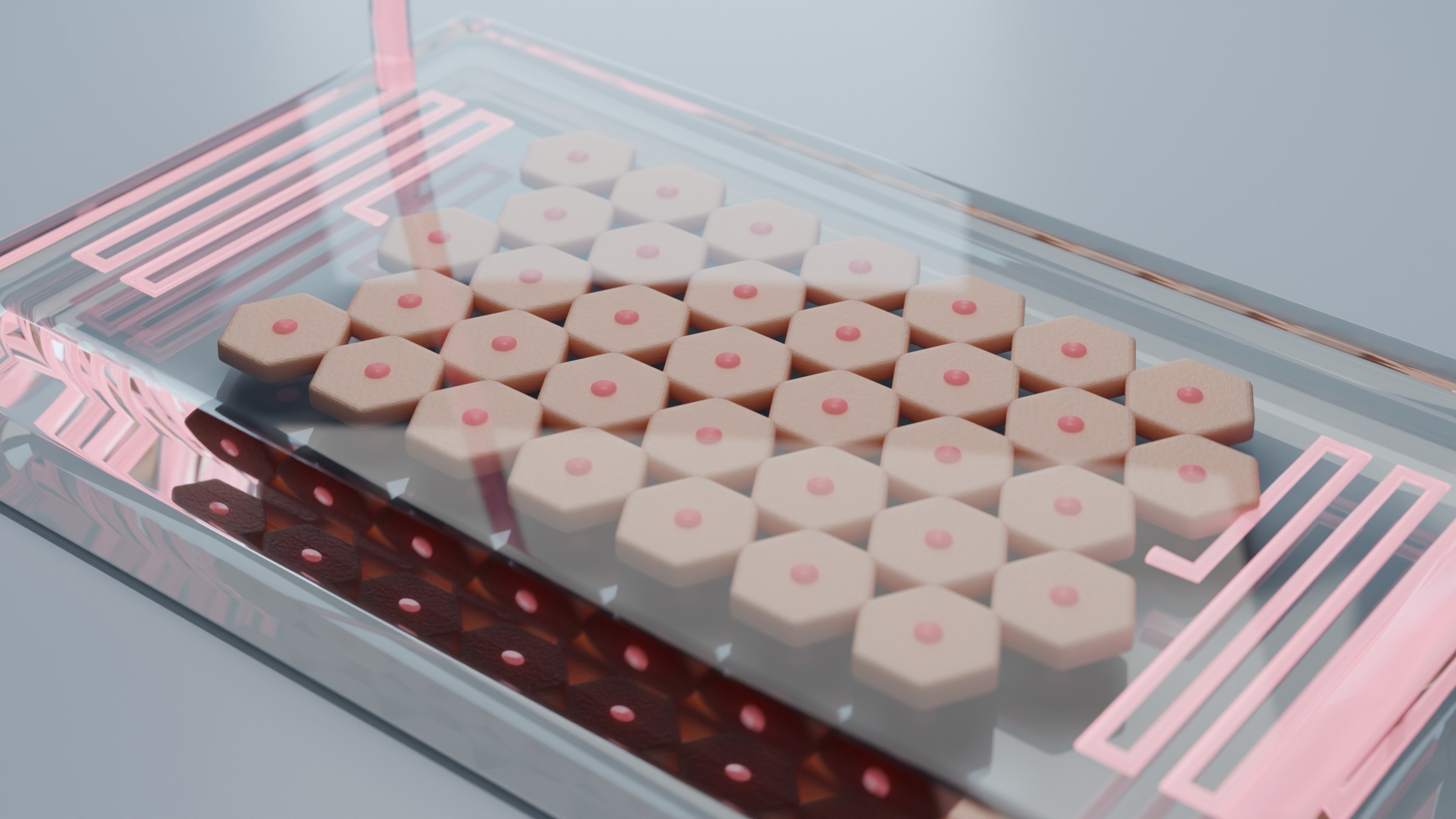
Blender render of a transparent PDMS chip holding hexagonal bioprinted liver lobules fed by serpentine channels of pink culture medium
Current · MSCA Postdoctoral Fellowship · FSU Jena

Liver-on-a-chip

Can a perfused, bioprinted liver tissue predict how the human liver handles a drug?

The project builds a perfusable, 3D-bioprinted human liver-on-a-chip from a silk fibroin–decellularized extracellular matrix (dECM) bioink. Extrusion bioprinting lays down the hepatic microarchitecture; microfluidic perfusion keeps the tissue fed so hepatocytes can work long-term.

  • Bioink: silk fibroin combined with liver-derived dECM
  • Build: extrusion bioprinting coupled with microfluidic perfusion
  • Use: drug metabolism, hepatotoxicity screening, and ADME profiling

Host: Prof. F. Philipp Seib, Chair of Pharmaceutical Technology & Biopharmaceutics, Institute of Pharmacy. Funded by a Marie Skłodowska-Curie Postdoctoral Fellowship (Horizon Europe), starting 1 September 2026.
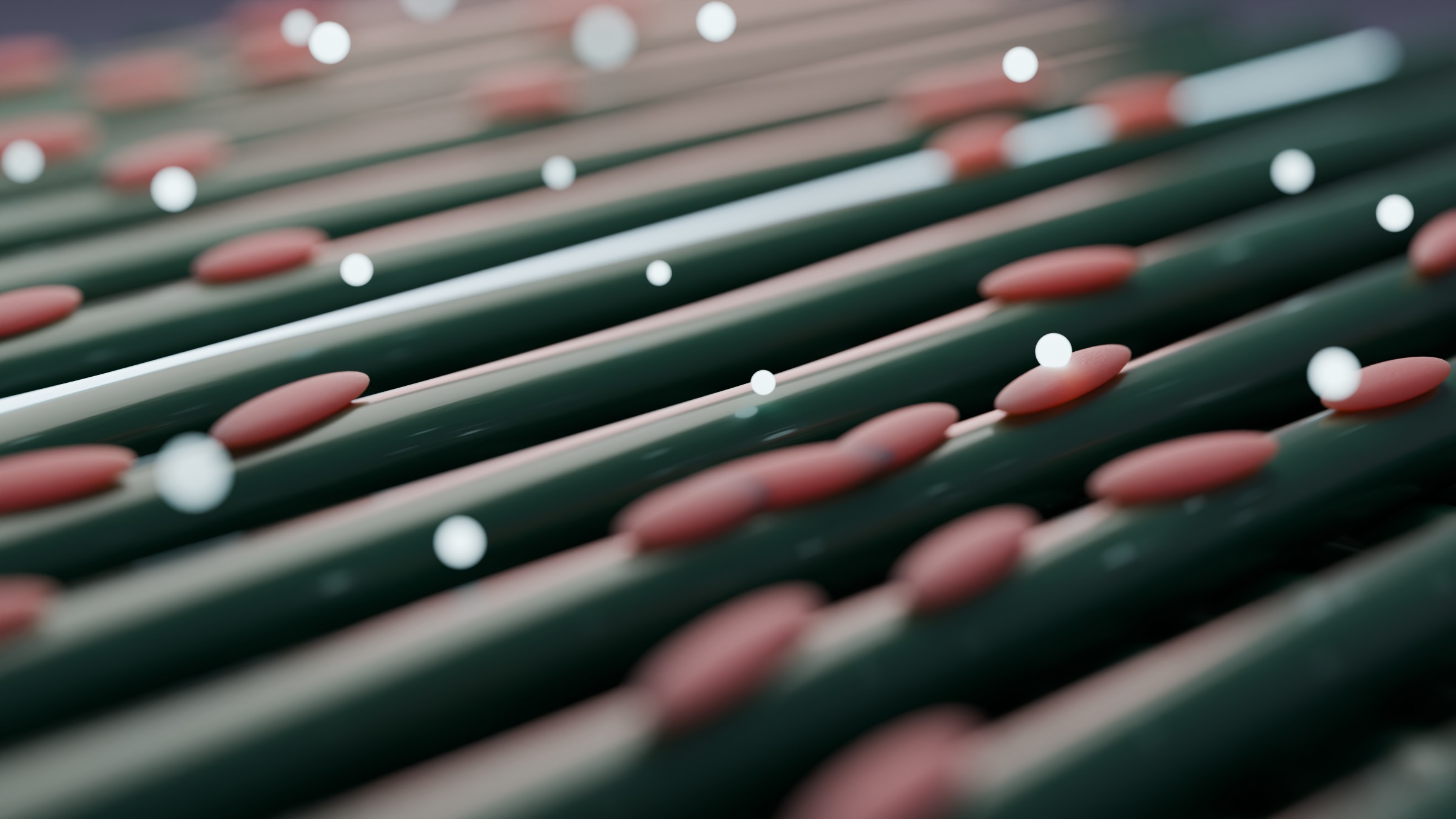
Blender render of elongated heart-muscle cells on a dark conductive lattice with glowing exosomes
Brno University of Technology · Northwestern University · 2020–25

Heart repair

Can a conductive, exosome-releasing scaffold protect heart-muscle cells through an ischemic injury?

My doctoral work used printed scaffolds that release stem-cell exosomes, tested in a simulated ischemia–reperfusion model with HL-1 cardiomyocytes, with imaging and molecular readouts of repair and fibrosis. At Northwestern, in Prof. Igor Efimov's laboratory, I worked on electroconductive hydrogels as scaffolds and as interfaces between cardiac tissue and pacing devices.

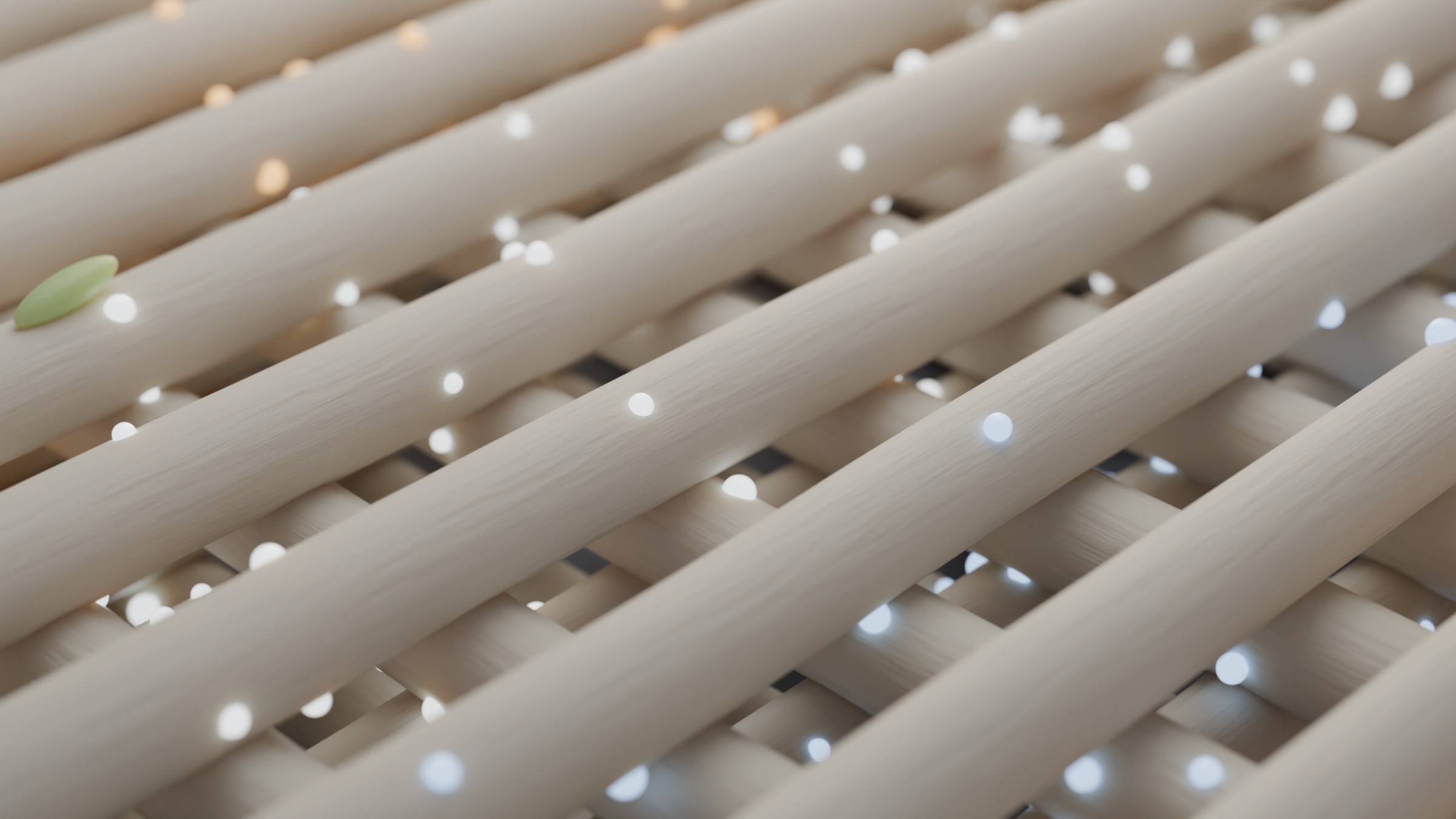
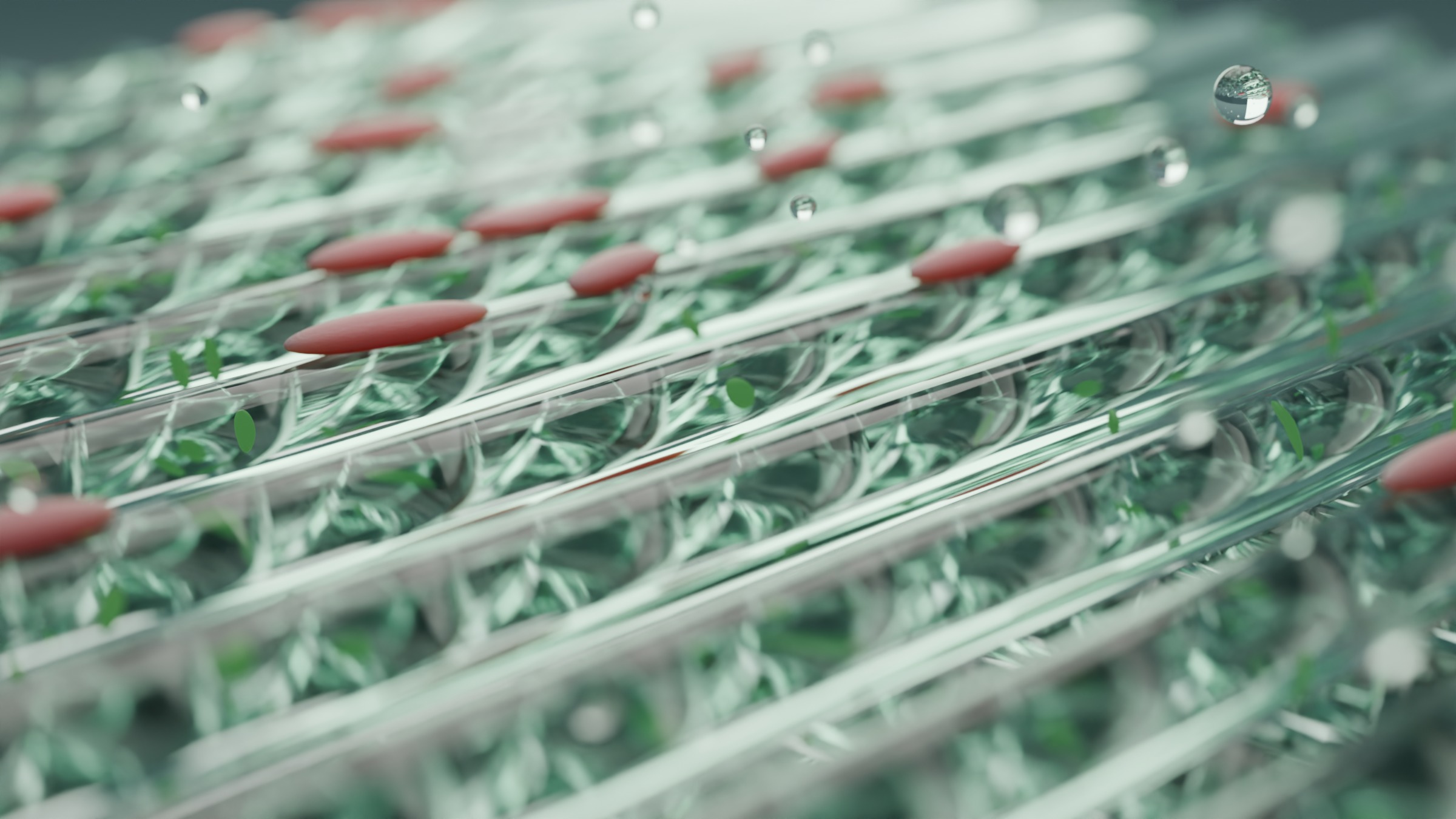
Blender render of green chloroplasts suspended inside transparent hydrogel strands, with heart cells and rising oxygen bubbles
Mendel University in Brno · iNANO · 2025–26

Light-powered heart patches

Can chloroplasts built into a printed hydrogel support heart-muscle cells when oxygen runs short?

In Dr. Xiaohui (Sophie) Ju's Laboratory of intelligent NanoEngineering, I contributed to an ongoing project developing a 3D-bioprinted cardiac patch from chloroplast-integrated hydrogels. The idea is that photosynthetic organelles inside the gel can help cardiomyocytes cope with hypoxic conditions. The project continues in the group.

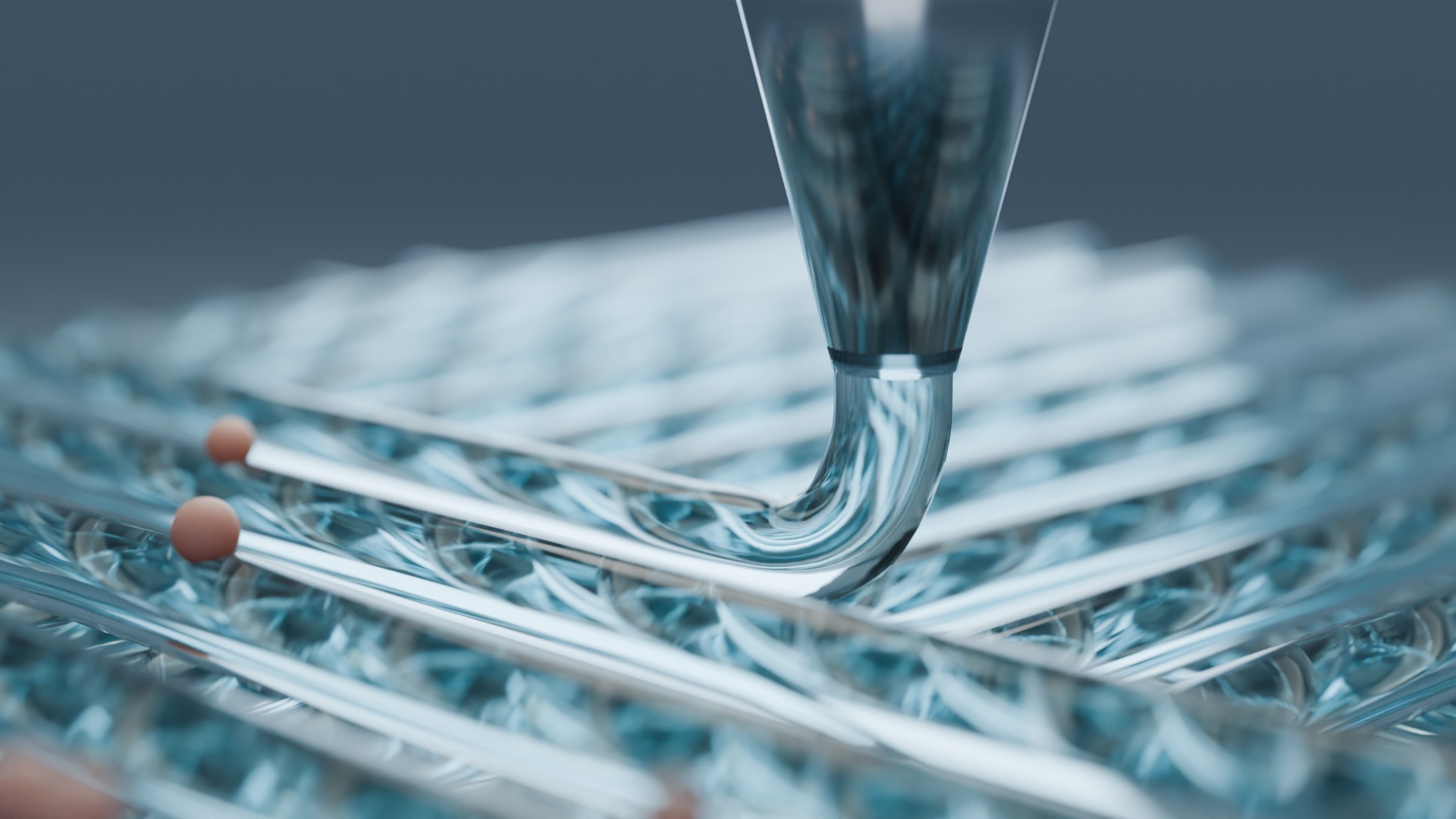
Blender render of a steel nozzle printing a new hydrogel strand onto a lattice
Brno University of Technology · 2020–25

Bioinks and printability

Can machine learning find a bioink that prints cleanly and keeps cells alive, without months of trial and error?

Choosing an ink recipe usually means many rounds of print, fail, and adjust. I used machine-learning parameter suggestion to narrow the search, then checked each suggestion with rheology, printability, swelling, degradation, and stem-cell assays.

Blender render of a chitosan–agarose lattice studded with three kinds of nanoparticles and rod-shaped bacteria
University of Tehran · CEITEC · 2016–24

Bone and implants

Which surface or nanoparticle best balances fighting bacteria against building bone?

Large bone defects need a scaffold that supports bone formation and resists infection at the same time. Before scaffolds, I worked on titanium implant surfaces: nanotube arrays that hold a drug, and coatings that change how bone cells attach.

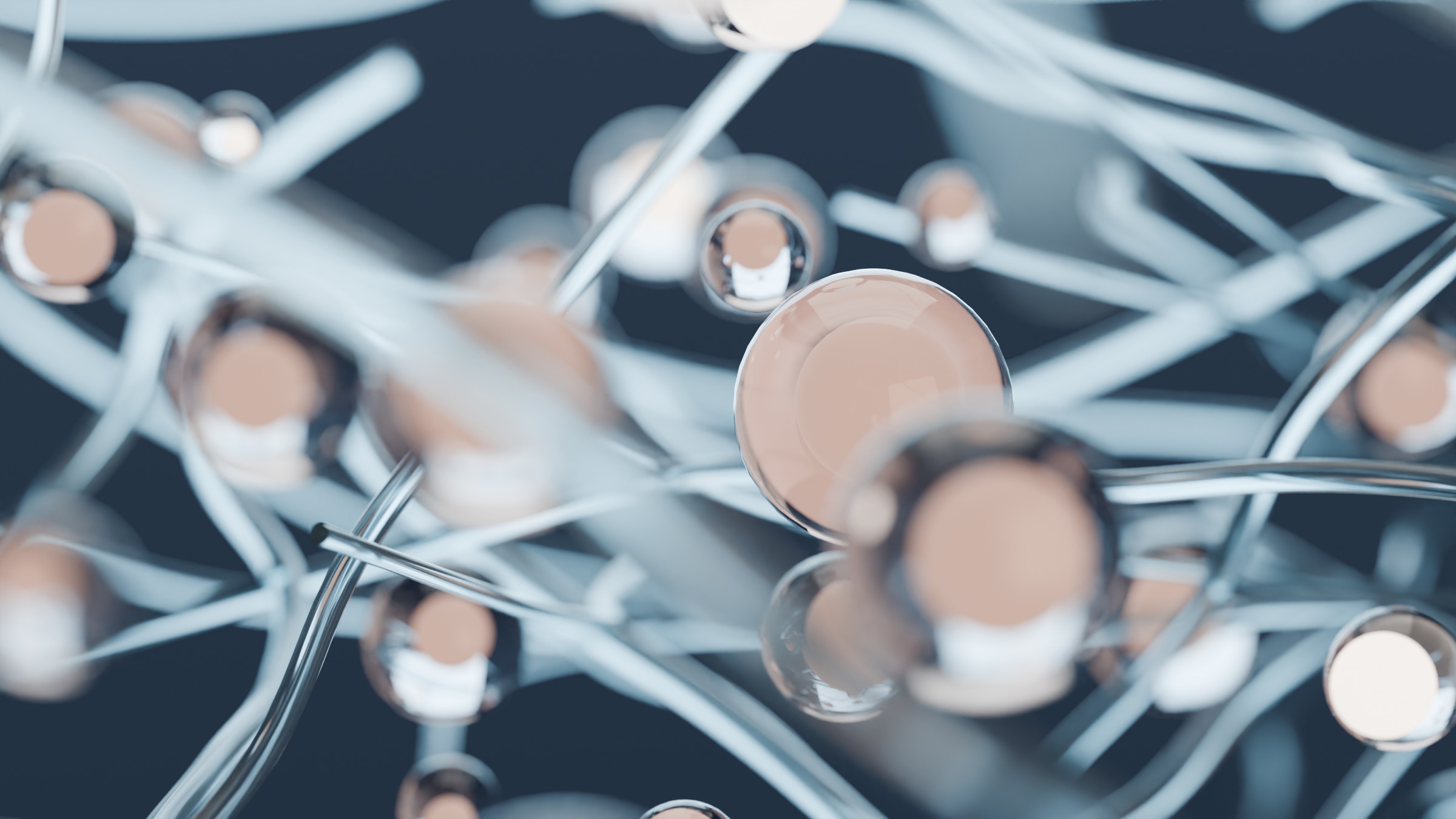
Blender render of glassy vesicles with glowing cargo held in a hydrogel fibre network
Brno University of Technology · 2022–26

Vesicles and wounds

How should a hydrogel hold and release extracellular vesicles so that wounds heal faster?

Extracellular vesicles carry a cell's own repair signals, but injected alone they are cleared quickly. Hydrogels can keep them in place. In parallel, cold atmospheric plasma offers a solvent-free way to make printed dressings more antibacterial.

Collaborations

The groups this work has been done with, and what each brought to it.

Prof. F. Philipp SeibPharmaceutical Technology & Biopharmaceutics, Friedrich Schiller University Jena. Host of the MSCA liver-on-a-chip project.
Dr. Xiaohui (Sophie) JuLaboratory of intelligent NanoEngineering (iNANO), Mendel University in Brno. Chloroplast-integrated cardiac patches.
Prof. Valentyna ProvazníkDepartment of Biomedical Engineering, Brno University of Technology. PhD supervisor.
Prof. Zdenka FohlerováBrno University of Technology. Cell biology and scaffold evaluation.
Prof. Igor EfimovDepartment of Biomedical Engineering, Northwestern University. Electroconductive hydrogels for cardiac tissue (visiting scholar, 2022–23).
Prof. Lenka ZajíčkováPlasma processing of printed chitosan hydrogels for wound healing.
CEITEC NanoCentral European Institute of Technology, Brno. SEM, AFM, XRD, XPS, FTIR, and Raman characterization (2023–24).
Masoumeh Ezati & Inna ZumbergBrno University of Technology. Co-authors on most of the papers on this site.
Prof. Javad MohammadnejadNanobiotechnology Laboratory, University of Tehran. MSc supervisor; TiO₂ nanotube drug delivery.